
Podcasturile Teatrului Național București, un teatru care vorbește cu tine
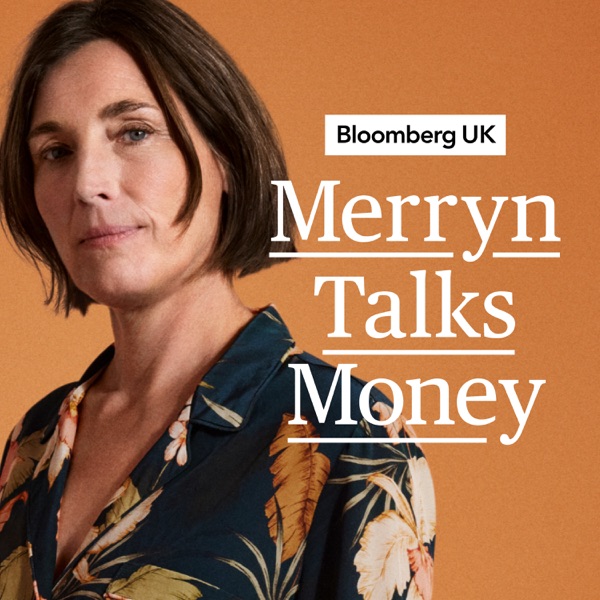
Merryn Talks Money with Bloomberg senior columnist Merryn Somerset Webb is your key to understanding how markets work – and how you can make them work for you. Every episode features a relaxed but in-depth conversation with a fund manager, a strategist, a Bloomberg expert or just someone Merryn finds particularly interesting in any given week. Listen in for the kind of insights and explanations everyone can use to help them make better saving and investing choices.
Passive investing was designed to track the market, not shape it. But as Merryn Somerset Webb and John Stepek explore in the second episode of The Portfolio Reset, the enormous growth of passive investing has changed the market it was built to follow, just as some of the world’s most valuable companies are staying private for longer. Using SpaceX as an example, they examine the changing relationship between public and private markets and why no investment is truly passive — someone is always making a decision somewhere in the process. As passive flows grow powerful enough to move markets, Merryn and John explain why investors should make sure they’re making active decisions in pursuit of their own financial goals, rather than leaving those decisions in the hands of strangers. See omnystudio.com/listener for privacy information.
Passive investing was designed to track the market, not shape it. But as Merryn Somerset Webb and John Stepek explore in the second episode of The Portfolio Reset, the enormous growth of passive investing has changed the market it was built to follow, just as some of the world’s most valuable companies are staying private for longer. Using SpaceX as an example, they examine the changing relationship between public and private markets and why no investment is truly passive — someone is always making a decision somewhere in the process. As passive flows grow powerful enough to move markets, Merryn and John explain why investors should make sure they’re making active decisions in pursuit of their own financial goals, rather than leaving those decisions in the hands of strangers. See omnystudio.com/listener for privacy information.
Passive investing was designed to track the market, not shape it. But as Merryn Somerset Webb and John Stepek explore in the second episode of The Portfolio Reset, the enormous growth of passive investing has changed the market it was built to follow, just as some of the world’s most valuable companies are staying private for longer. Using SpaceX as an example, they examine the changing relationship between public and private markets and why no investment is truly passive — someone is always making a decision somewhere in the process. As passive flows grow powerful enough to move markets, Merryn and John explain why investors should make sure they’re making active decisions in pursuit of their own financial goals, rather than leaving those decisions in the hands of strangers. See omnystudio.com/listener for privacy information.
After years of being overshadowed by US megacaps and the artificial intelligence boom, could smaller companies finally be ready for a comeback? Merryn Somerset Webb speaks with Downing fund manager Simon Evan-Cook and Odyssean Capital’s Stuart Widdowson about why small caps remain unusually cheap, what could bring investors back — and whether small-cap value could become the ultimate anti-AI trade. See omnystudio.com/listener for privacy information.
Are we seeing signs of investors starting to lose their nerve over artificial intelligence? On this week's markets wrap, Merryn Somerset Webb and John Stepek discuss the cracks appearing in the AI boom, as well as why UK house prices could rebound faster than expected, and how changes to inheritance tax may help fuel demand. Plus, with the Budget approaching, they ask whether the best thing the government could do is simply leave well enough alone. See omnystudio.com/listener for privacy information.
For today’s investor, making money in markets may seem straightforward: put your money into a passive fund that tracks US stocks. It’s been a winning strategy for so long that it feels like the obvious choice. Yet as Merryn Somerset Webb, John Stepek and their expert guests discuss over the course of this four-part series, past performance is no guarantee of future returns, with major implications for how investors build their portfolios. In the first episode, they examine how passive investing went from a niche strategy to the default for many people, channeling ever more capital into US stocks and the tech giants that dominate the market. Passive investing is still an investment decision, after all — one that leaves many investors with far more concentration risk than they realize. See omnystudio.com/listener for privacy information.
Adam Rozencwajg, portfolio manager at natural resources firm Goehring and Rozencwajg, joins Merryn Somerset Webb to explain why he thinks the commodity bull market may still be in its early stages. They discuss why gold could fall before reaching new highs, why US shale may have peaked and where he sees opportunities in oil and uranium. See omnystudio.com/listener for privacy information.