O Chilie Athonită - Bucurii din Sfântul Munte
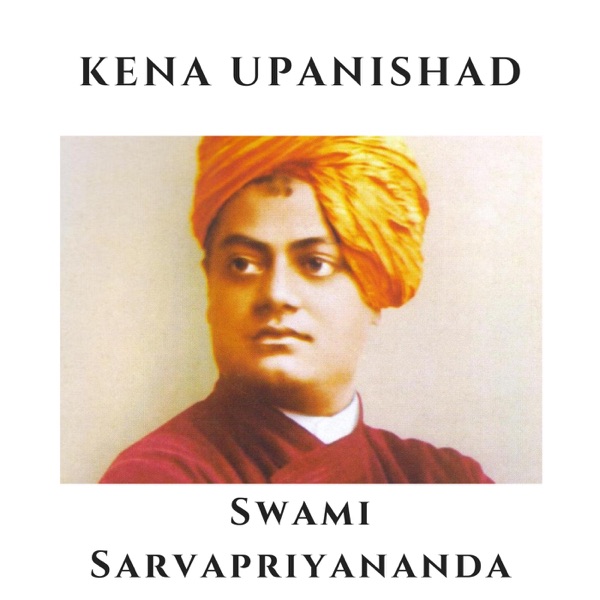
Swami Sarvapriyananda teaches Kena Upanishad in this series.
The Kena Upanishad (Sanskrit: केनोपनिषद्) (also alternatively known as Talavakara Upanishad) is a Vedic Sanskrit text classified as one of the primary or Mukhya Upanishads that is embedded inside the last section of the Talavakara Brahmana of the Samaveda. It is listed as number 2 in the Muktikā, the canon of the 108 Upanishads of Hinduism.
Kena Upanishad has three parts: 13 verses in the first part, 15 paragraphs in the second part, and 6 paragraphs in the epilogue. These are distributed in four khaṇḍas (खण्ड, sections or volumes). The first Khanda has 8 verses, the second has 5 verses. The third Khanda has 12 paragraphs, while the fourth khanda has the remaining 9 (3 paragraphs of main text and 6 paragraphs of the epilogue).
Donations to support Vedanta Society of New York gratefully accepted via Paypal
All Original Content © Vedanta Society of New York
Swami Sarvapriyananda teaches Kena Upanishad in this series. The Kena Upanishad (Sanskrit: केनोपनिषद्) (also alternatively known as Talavakara Upanishad) is a Vedic Sanskrit text classified as one of the primary or Mukhya Upanishads that is embedded inside the last section of the Talavakara Brahmana of the Samaveda. It is listed as number 2 in the Muktikā, the canon of the 108 Upanishads of Hinduism. Kena Upanishad has three parts: 13 verses in the first part, 15 paragraphs in the second part, and 6 paragraphs in the epilogue. These are distributed in four khaṇḍas (खण्ड, sections or volumes). The first Khanda has 8 verses, the second has 5 verses. The third Khanda has 12 paragraphs, while the fourth khanda has the remaining 9 (3 paragraphs of main text and 6 paragraphs of the epilogue).
Swami Sarvapriyananda teaches Kena Upanishad in this series. The Kena Upanishad (Sanskrit: केनोपनिषद्) (also alternatively known as Talavakara Upanishad) is a Vedic Sanskrit text classified as one of the primary or Mukhya Upanishads that is embedded inside the last section of the Talavakara Brahmana of the Samaveda. It is listed as number 2 in the Muktikā, the canon of the 108 Upanishads of Hinduism. Kena Upanishad has three parts: 13 verses in the first part, 15 paragraphs in the second part, and 6 paragraphs in the epilogue. These are distributed in four khaṇḍas (खण्ड, sections or volumes). The first Khanda has 8 verses, the second has 5 verses. The third Khanda has 12 paragraphs, while the fourth khanda has the remaining 9 (3 paragraphs of main text and 6 paragraphs of the epilogue).
Swami Sarvapriyananda teaches Kena Upanishad in this series. The Kena Upanishad (Sanskrit: केनोपनिषद्) (also alternatively known as Talavakara Upanishad) is a Vedic Sanskrit text classified as one of the primary or Mukhya Upanishads that is embedded inside the last section of the Talavakara Brahmana of the Samaveda. It is listed as number 2 in the Muktikā, the canon of the 108 Upanishads of Hinduism. Kena Upanishad has three parts: 13 verses in the first part, 15 paragraphs in the second part, and 6 paragraphs in the epilogue. These are distributed in four khaṇḍas (खण्ड, sections or volumes). The first Khanda has 8 verses, the second has 5 verses. The third Khanda has 12 paragraphs, while the fourth khanda has the remaining 9 (3 paragraphs of main text and 6 paragraphs of the epilogue).
Swami Sarvapriyananda teaches Kena Upanishad in this series. The Kena Upanishad (Sanskrit: केनोपनिषद्) (also alternatively known as Talavakara Upanishad) is a Vedic Sanskrit text classified as one of the primary or Mukhya Upanishads that is embedded inside the last section of the Talavakara Brahmana of the Samaveda. It is listed as number 2 in the Muktikā, the canon of the 108 Upanishads of Hinduism. Kena Upanishad has three parts: 13 verses in the first part, 15 paragraphs in the second part, and 6 paragraphs in the epilogue. These are distributed in four khaṇḍas (खण्ड, sections or volumes). The first Khanda has 8 verses, the second has 5 verses. The third Khanda has 12 paragraphs, while the fourth khanda has the remaining 9 (3 paragraphs of main text and 6 paragraphs of the epilogue).
Swami Sarvapriyananda teaches Kena Upanishad in this series. The Kena Upanishad (Sanskrit: केनोपनिषद्) (also alternatively known as Talavakara Upanishad) is a Vedic Sanskrit text classified as one of the primary or Mukhya Upanishads that is embedded inside the last section of the Talavakara Brahmana of the Samaveda. It is listed as number 2 in the Muktikā, the canon of the 108 Upanishads of Hinduism. Kena Upanishad has three parts: 13 verses in the first part, 15 paragraphs in the second part, and 6 paragraphs in the epilogue. These are distributed in four khaṇḍas (खण्ड, sections or volumes). The first Khanda has 8 verses, the second has 5 verses. The third Khanda has 12 paragraphs, while the fourth khanda has the remaining 9 (3 paragraphs of main text and 6 paragraphs of the epilogue).
Swami Sarvapriyananda teaches Kena Upanishad in this series. The Kena Upanishad (Sanskrit: केनोपनिषद्) (also alternatively known as Talavakara Upanishad) is a Vedic Sanskrit text classified as one of the primary or Mukhya Upanishads that is embedded inside the last section of the Talavakara Brahmana of the Samaveda. It is listed as number 2 in the Muktikā, the canon of the 108 Upanishads of Hinduism. Kena Upanishad has three parts: 13 verses in the first part, 15 paragraphs in the second part, and 6 paragraphs in the epilogue. These are distributed in four khaṇḍas (खण्ड, sections or volumes). The first Khanda has 8 verses, the second has 5 verses. The third Khanda has 12 paragraphs, while the fourth khanda has the remaining 9 (3 paragraphs of main text and 6 paragraphs of the epilogue).
Swami Sarvapriyananda teaches Kena Upanishad in this series. The Kena Upanishad (Sanskrit: केनोपनिषद्) (also alternatively known as Talavakara Upanishad) is a Vedic Sanskrit text classified as one of the primary or Mukhya Upanishads that is embedded inside the last section of the Talavakara Brahmana of the Samaveda. It is listed as number 2 in the Muktikā, the canon of the 108 Upanishads of Hinduism. Kena Upanishad has three parts: 13 verses in the first part, 15 paragraphs in the second part, and 6 paragraphs in the epilogue. These are distributed in four khaṇḍas (खण्ड, sections or volumes). The first Khanda has 8 verses, the second has 5 verses. The third Khanda has 12 paragraphs, while the fourth khanda has the remaining 9 (3 paragraphs of main text and 6 paragraphs of the epilogue).